Navigating City Demands with Smarter Corporate Car Choices

We’re exploring Corporate Travel Car Choices Optimized for Urban Schedules and Parking, translating complex city constraints into practical decisions. Expect clear insights on nimble vehicles, smart parking tactics, resilient schedules, and driver wellbeing, all framed by real-world data and stories. Share your experiences and questions so we can refine these playbooks together.

City Constraints That Shape Smarter Fleets
Rush-Hour Realities and Time Windows

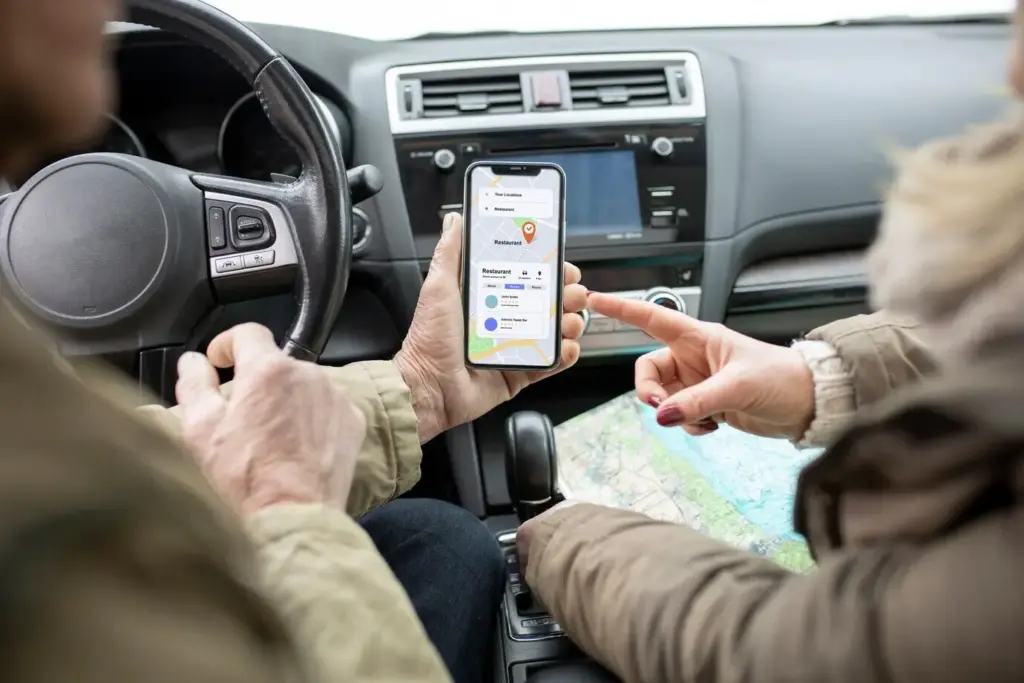
Morning peaks compress meetings and pickups into tight windows where a five‑minute delay multiplies across an entire itinerary. Choosing cars that accelerate cleanly, slip through narrow streets, and park quickly helps reclaim buffer time, making commitments credible even when sirens, school zones, or roadworks surprise everyone.

Parking Scarcity Decoded

Understanding the true cost of circling the block starts with decoding signage, dynamic pricing, and neighborhood rhythms. Teams that map curb assets, leverage garage contracts, and prioritize smaller footprints cut search time dramatically, spare nerves, and arrive prepared instead of apologizing for avoidable delays.

The Last Five Hundred Meters

The last stretch often sabotages careful planning. Selecting vehicles that allow quick, legal drop‑offs and accepting short walks can beat endless circling. Pairing micro‑mobility or shuttle handoffs with precise meeting pins frequently delivers the calm, punctual entrance clients remember long after your deck closes.

Vehicle Categories That Truly Fit the Grid

Not every city favors the same silhouette. Subcompacts, short‑wheelbase crossovers, and efficient electrified options excel where alleys pinch and parking stalls shrink. Evaluating turning circles, camera coverage, torque delivery, and maintenance realities ensures your fleet actually fits the grid it must conquer daily.

Parking Strategy as a Performance Lever

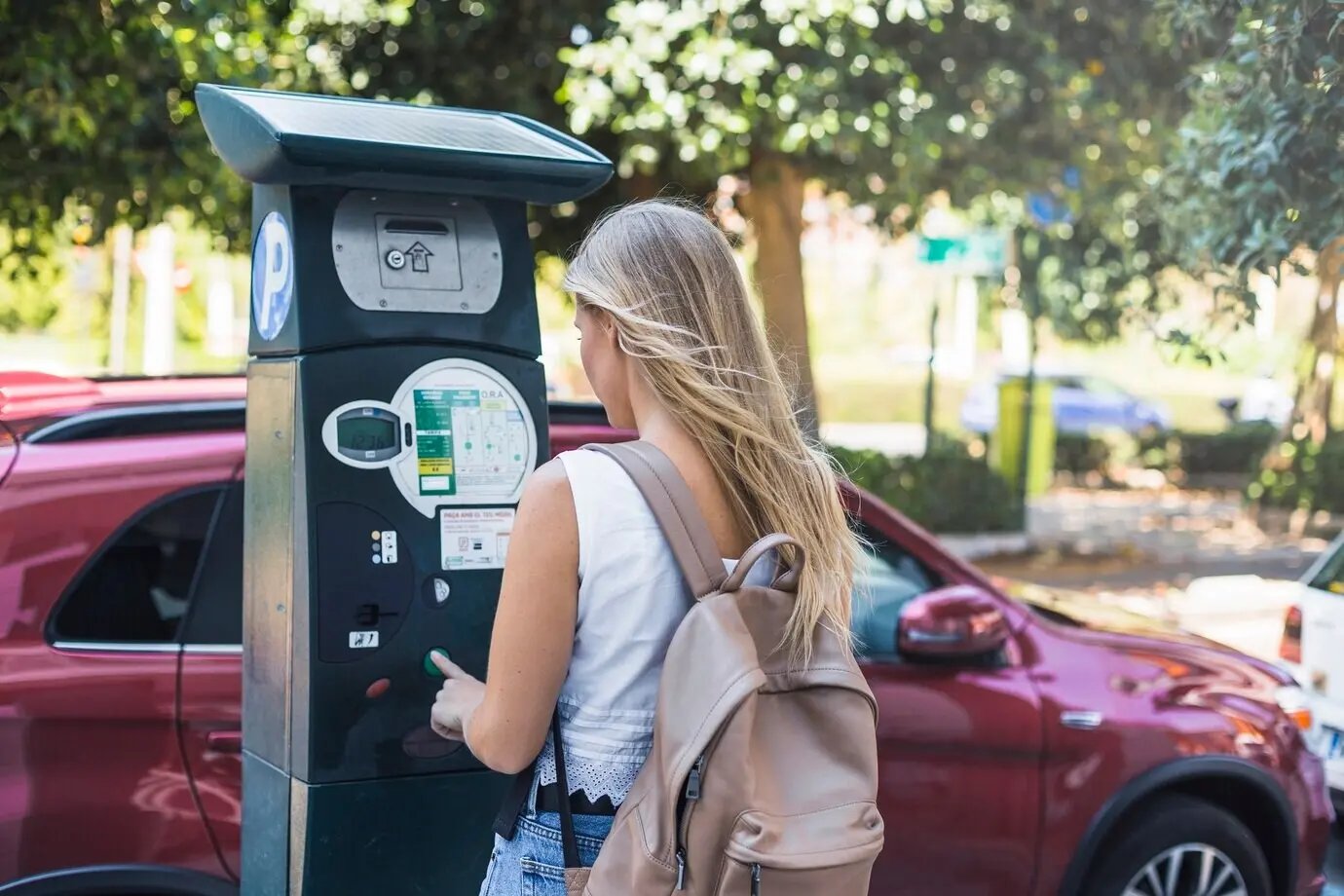
Parking is not an afterthought; it is a performance multiplier. Treating spaces as bookable assets changes outcomes, shaving minutes from every arrival. Use contracts, data, and digital tools to guarantee proximity, predictability, and safety, protecting schedules and reputations when streets feel unforgiving and crowded.

Contracted Garages versus On‑Street Roulette

Reserved garage portfolios trade uncertainty for speed and security, particularly near transit hubs and courts. Although monthly rates seem high, avoided tickets, towing risks, and lost time often offset costs. Drivers feel calmer, executives arrive composed, and vehicles experience fewer dings from chaotic curb jockeying.

Pre‑Booking, Sensors, and Real-Time Availability

Integrate apps that expose real‑time occupancy, curb regulations, and compliance windows. Pair vehicle telematics with geofenced alerts that guide drivers toward open stalls before arrival. Pre‑booking removes game‑day guesswork, making routes predictable and enabling tighter handoffs between meetings without frantic phone calls or apologies.

Designing Routes Around Guaranteed Spaces

Design itineraries around guaranteed spaces, not wishful thinking. Anchor key meetings near contracted garages, then sequence minor stops in walking distance. By flipping the usual order, you swap last‑minute sprints for unhurried arrivals, keeping energy for negotiation, presenting, and thoughtful follow‑ups that seal relationships.

Scheduling That Respects the Clock and the Curb

{{SECTION_SUBTITLE}}

Staggered Starts and Micro‑Batching

Stagger departures to sidestep synchronized jams at garage exits and popular junctions. Micro‑batch meetings by neighborhood to limit cross‑town hops and exploit walking links. Shorter driving segments reduce fatigue, concentrate attention, and create realistic opportunities to recover from small surprises without derailing the day.

Slack Time as Intentional Risk Buffer

Treat buffer minutes as strategic assets, not wasted space. A modest cushion absorbs elevator malfunctions, curb checks, or client overruns without snowballing. Record how often buffers get used, then tune them per district and season, preserving discipline while honoring real‑world volatility and human needs.

Total Cost, Compliance, and Sustainability Aligned

Right‑Sizing to Slash Total Cost of Ownership
Audit duty cycles honestly, then match vehicles that meet requirements with minimal excess. Smaller engines, lighter bodies, and smart driver aids lower wear, reduce incidents, and slash premiums. The result is a quieter balance sheet and a calmer experience for everyone using your fleet.

Charging Reality and Depot Planning in Dense Cores

Charging within dense cores demands creativity: mixed public networks, workplace plugs, and contracted overnight bays. Model dwell times realistically, plan for winter range dips, and schedule top‑ups near meetings. When charging becomes routine rather than a hunt, electrified options outcompete gasoline on both cost and calm.

Policy, Incentives, and Congestion Pricing

Cities increasingly price congestion and idle time. Leverage rebates for efficient vehicles, avoid restricted zones during enforcement windows, and negotiate parking taxes within contracts. Treat regulations as navigational markers, turning compliance into strategic advantage that protects margins and showcases responsibility to partners and clients.

Driver Experience, Safety, and Engagement
People make every plan work. Choosing cabins that reduce stress, technologies that prevent scrapes, and policies that respect human rhythms keeps talent engaged. Listening to drivers uncovers patterns faster than dashboards alone, unlocking smoother days, safer arrivals, and genuine pride in delivering promises.
Prioritize panoramic visibility, robust mirrors, and 360‑degree cameras that highlight curbs, cyclists, and low bollards. City‑tuned driver assistance, calibrated for slow speeds, reduces near‑miss stress and protects schedules. Confidence behind the wheel translates directly into calmer conversations at reception and more focused meetings.
Frequent stops punish knees and backs. Choose supportive seats, wide door openings, and easy‑clean surfaces. Provide smart storage for laptops, samples, and coats to prevent in‑car chaos. Small ergonomics improvements compound over a route, preserving energy for the client moments where attention matters most.
Create tight training loops using real neighborhoods, then invite drivers to co‑design checklists and share tips. Encourage comments, questions, and route suggestions here, and subscribe for updates on new tools and case studies. Community knowledge spreads faster than memos, strengthening outcomes across teams and cities.
Noveripifeporixaku
Privacy Overview

This website uses cookies so that we can provide you with the best user experience possible. Cookie information is stored in your browser and performs functions such as recognising you when you return to our website and helping our team to understand which sections of the website you find most interesting and useful.